

PRIME NEWS POST
By: Dato M. Rafik Datuk Rajo Kuaso
Secretary-General of the Indonesian Customary Council (MAI)
The INDONESIAN — The layers of history have been lifted once more. Historical facts reveal that Dutch colonialism did not only subjugate the lands and wealth of the Indonesian Archipelago (Nusantara), but also openly infiltrated and controlled indigenous (adat) structures. The term “Datuk Basurek” has now become a symbol of such intervention – an indigenous title born not from cultural sovereignty, but stamped by colonial power.
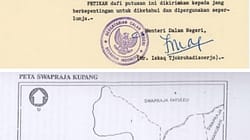
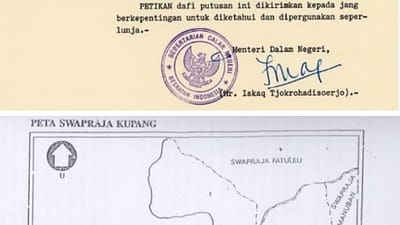
Circulating ancient documents provide irrefutable evidence that appointments to the Datuk position were carried out through official letters from the Dutch East Indies government. The names, titles, and even legitimacy of indigenous leaders were determined by colonial officials. This is not merely a historical record – it is a large-scale scenario of systematic takeover of indigenous authority.
The question is simple yet shocking: Can it still be called adat if its legitimacy originates from the hands of colonizers?
“Datuk Basurek” is not just a term – it is a mark of historical wounds. A power construct that forced adat to submit to colonial interests. Through a divide-and-rule policy, the Dutch created new indigenous elites loyal to them, not to their own values and communities.
This was a form of betrayal against indigenous sovereignty, carried out subtly yet massively.
More concerningly, this legacy did not end in the past. Its impacts are still felt today, manifesting in legitimacy conflicts, struggles over titles, and the blurring of lines between authentic adat and “engineered” adat. Many are unaware that the root of these issues was planted during the colonial era.
If left unaddressed, future generations will only inherit adat that has lost its soul.
It is time for this truth to be brought to light. There should be no more romanticized history that hides bitter facts. There should be no more tolerance for distortions that damage the dignity of adat.
This is not a call to divide. It is an appeal to correct.
Adat must return to its roots: deliberation (musyawarah), lineage, and noble values – not to colonial archives and the signatures of colonizers.
“If we remain silent, we are perpetuating the colonial legacy. If we dare to speak up, we are saving the future of Nusantara’s adat.”
It is time to take a stand. It is time to correct history. It is time for adat to regain its sovereignty.
Report by: Prime News Post Media Center Contributor
Cited from: Indonesian Indigenous Council (Majelis Adat Indonesia/MAI) Media Center. (Ed)