

PRIME NEWS POST
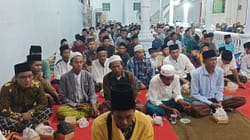
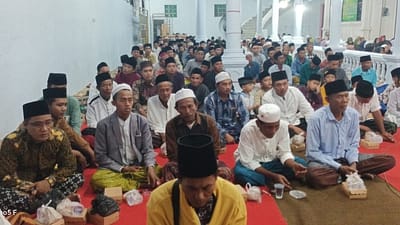
Sulit Air, Solok Regency – The Simabua Community (Pasukuan Simabua) of Nagari Sulit Air, X Koto Diatas District, Solok Regency, West Sumatra, held a Community Assembly at Rumah Gadang Simabu Ilie on Friday (December 20, 2025). The event produced the document “DECISIONS AND RECOMMENDATIONS OF THE SIMABUA COMMUNITY ASSEMBLY AT RUMAH GADANG SIMABU ILIE SULIT AIR, DECEMBER 20, 2025,” which included a key decision to establish a cooperative and strategic recommendations for strengthening customary values and the welfare of community members.
Assembly Opened by Acting Nagari Head, Attended by Customary Leaders and Government Representatives
The assembly was officially opened by the Acting (Pj.) Wali Nagari (Head of Nagari) of Sulit Air and attended by representatives from the Solok Regency Cooperative Service, demonstrating synergy between customary institutions and local government in promoting development based on local wisdom.
The event was attended by 18 Datuak (including full representation of Clan Leaders and Urang Ampek Jinih, 3 Datuak Inyiak, and 11 Datuak Andiko), as well as Deputy Leaders (Tuak Okie), Representatives, Ninik Mamak (Customary Elders), Bundo Kanduang (Matriarchal Leaders) Representatives, and Urang Sumando Representatives.
Main Decision: Establishment of Simabua Sulit Air Cooperative (SIMSA)
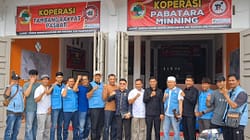
During the assembly, the Simabua Community decided and approved the establishment of the Simabua Sulit Air Cooperative (SIMSA). The cooperative aims to maximize the use and management of customary heritage land (Tanah Ulayat/Pusako Tinggi) belonging to each Datuak Andiko to improve the welfare of community members.
Series of Strategic Recommendations for Various Stakeholders
In addition to the cooperative establishment, the Simabua Community set out recommendations divided into three categories:
A. Recommendations for All Simabua Datuak Andiko
– Optimally manage and utilize customary heritage land for the welfare of community members.
– Renovate damaged/unusable Rumah Gadang and rebuild those that have collapsed or no longer exist.
– Conduct re-registration and marking of all customary land belonging to each Datuak Andiko.
– Create or revise family lineage records (Ranji) in accordance with the matrilineal system to prevent future disputes.
– Strengthen kinship ties among extended families of the Simabua Community worldwide.
– Form a team to compile a Simabua Community guideline book.
B. Recommendations for the Sulit Air Nagari Government
– Prioritize and facilitate the utilization/management of natural resources (customary heritage land) by the Simabua Community for community welfare.
– Adopt ABSSBK (Customary Law Based on Islamic Law, Islamic Law Based on the Quran) as a daily guide from the family level, through the Simabua Community, to the Nagari.
C. Recommendations for the Sulit Air Nagari Customary Council
– Enhance its role and function as guardian and preserver of customary values, as well as resolver of customary land disputes and violations in Nagari Sulit Air.
– Maximize the performance of administrators and the function of each respective division.
– Prioritize consensus-based deliberation (Musyawarah Mufakat) in the utilization of natural resources in Sulit Air, based on inter-nagari customary law and applicable regulations.

Encourage Government Support for Indigenous Groups
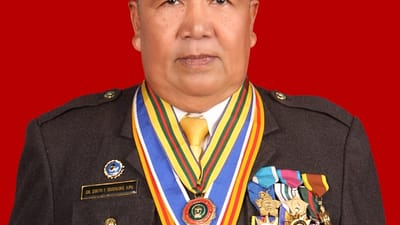
On this occasion, Datok Rajo Kuaso M. Rafik – Head of the Simabua Clan covering Sulit Air, Cumati, Koto, and Pilliang Minangkabau – emphasized the importance of serious government attention to the sustainability of indigenous groups and cultures in Indonesia. He also urged the Central Government through the Ministry of Culture to be more active in facilitating and empowering indigenous groups as key pillars of archipelagic cultural preservation.
The decision and recommendation document was signed by relevant parties of the Simabua Community on December 20, 2025.
(Ed.)
Editorial Note:
Reported by the PRIME NEWS POST correspondent, compiled from various media sources. Photo: documentation / public archive