

PRIME NEWS POST
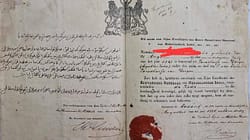
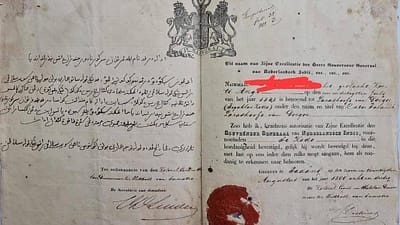
The INDONESIAN (Jakarta)– An official state document dated December 6, 1951, has resurfaced, serving as crucial evidence regarding Indonesia’s state structure in the early days of independence. The document is a decree from the Minister of Home Affairs appointing Alfons Nisnoni as the Head of the Swapraja (Self-Governing Native State) of Kupang in the province of Sunda Kecil.
Signed by the then Minister of Home Affairs, Iskaq Tjokrohadisurjo, the decree confirms that the state officially recognized and legitimized traditional governance systems or Swapraja as part of the national administrative structure.
This document holds more than just administrative value; it serves as historical proof that in the early years of the republic, the state granted authority, space, and trust to kings and traditional leaders to govern their respective regions. This recognition existed before national political shifts led to the gradual abolition of the Swapraja system.
Historically, this dynamic cannot be separated from major events, such as the Permesta Rebellion, which caused instability in Eastern Indonesia and impacted the existence of traditional kingdoms. Additionally, the Bulungan Incident and the Social Revolution in East Sumatra demonstrated how waves of socio-political change directly targeted traditional power structures.
In Java, this transformation was evident in the Anti-Swapraja Movement in Surakarta, which ended the special status of the Surakarta Sultanate. This movement arose from accumulated social tensions, political pressure, and demands to transition from a feudal system to a more integrated national government.
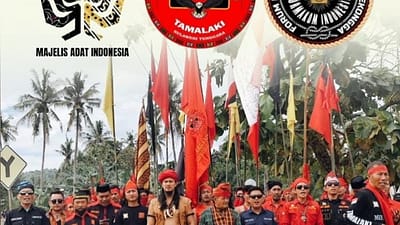
Prince Iftiqar S.A. Ponto, speaking at the Communication Forum of the Indonesian Council of Customary Institutions (MAI), emphasized that the 1951 document strongly confirms that the existence of Swapraja was not merely cultural heritage, but was once a legitimate part of Indonesia’s state system.
“This historical fact shows that the state once granted official mandates to kings as regional heads through the Swapraja system. This was part of a valid and recognized governance structure at the time,” he stated.
He further explained that the abolition of Swapraja must be understood within the broader context of the nation’s dynamics in the 1940s–1960s, a period marked by governmental transformation influenced by social upheaval, political revolution, and changes in the orientation of state power.
Alfons Nisnoni was known as the King of Kupang who played a vital role during the post-independence transition. As a member of the influential Nisnoni family in Timor, he contributed to maintaining social stability and driving local economic development until his term ended in 1956.
The existence of this document enriches public understanding that the relationship between the state and traditional institutions in the early independence era was not marginal, but was strategically and formally positioned within the national government structure.
The Communication Forum of the Indonesian Council of Customary Institutions views the revelation of this document as important for academic and historical reference, as well as for national reflection. It is hoped that this will rebuild collective awareness regarding the significant role of indigenous communities in the nation’s history and their relevance in modern Indonesia.
(Red)
@Reported from various media sources //photo from Google documents // contribution by Prime News Post international online media // news.paper