
PRIME NEWS POST
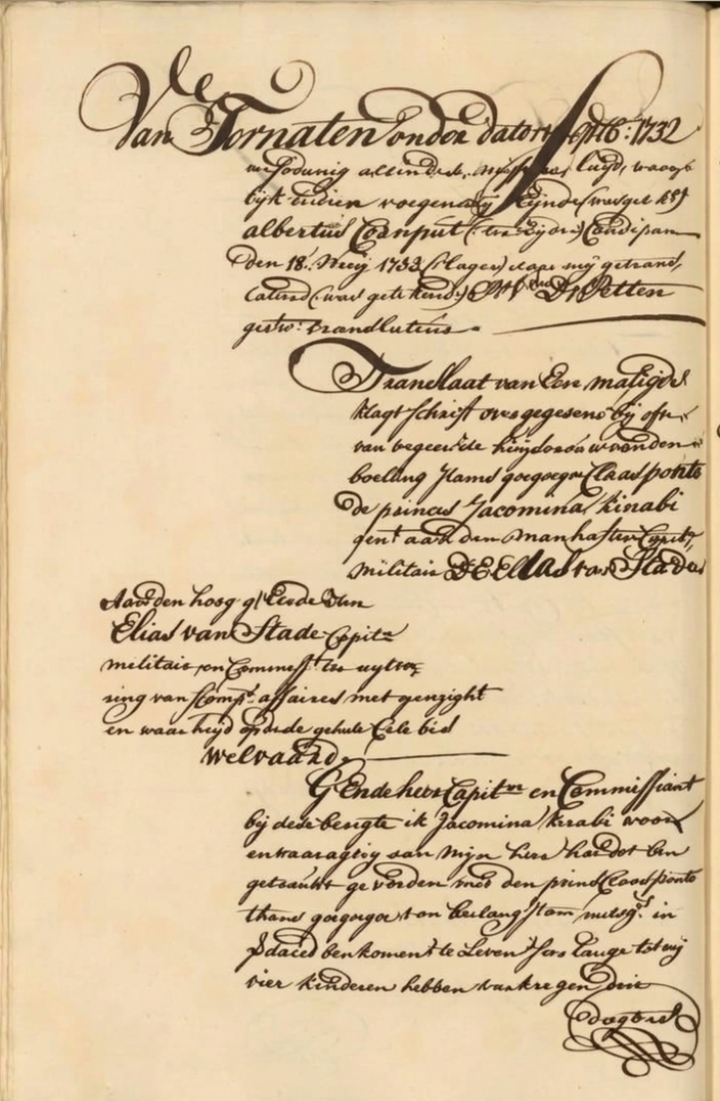
The INDONESIAN, (JAKARTA) — Archives left by the Dutch East India Company (VOC) are considered invaluable resources for uncovering the history of various regions across the Indonesian archipelago. Spanning from the early 1600s until the dissolution of the VOC in 1799, these documents contain detailed records on trade, governance, social life, territorial boundaries, and relations with local communities and kingdoms.
North Sulawesi history observer Iftiqar S.A. Ponto emphasised that the VOC archives constitute a vital primary source deserving deeper research, particularly in illuminating regional histories across the archipelago. The information preserved within these records offers a more objective picture of how specific regions developed over time.
“Exploring and studying the VOC archives is crucial because they hold essential information about places throughout the archipelago. They document mining activities conducted in certain regions during the VOC era, as well as genealogies of royal families,” Iftiqar explained.
Beyond that, he noted that many VOC records are precisely dated — a feature that enables researchers to trace the origins and early development of specific areas. As such, the archives serve as a credible reference for determining the historical timeline and age of a region based on documented primary data.
The VOC archives are currently preserved across five countries: the Netherlands, Indonesia, Sri Lanka, India, and South Africa — all former centres of VOC trade, administration, outposts, and defence throughout the 17th and 18th centuries. Their significance was formally recognised by UNESCO, which inscribed the archives on the Memory of the World Register on 9 March 2004, citing their immense historical value in documenting social life and interregional connections during the early modern era, including trade networks and political dynamics across Asia and Africa.
Iftiqar also highlighted ongoing collaborative efforts to deepen understanding of these sources. “Almost daily, I engage in online discussions with my colleague Giovanni Rivianto Babay to examine VOC records, particularly those concerning North Sulawesi. It is also worth noting that during its rule over the archipelago, the VOC sought to establish Dutch as a unifying language, requiring all official correspondence — particularly letters from the VOC to local rulers — to be written in Dutch,” he said.
Looking ahead, Iftiqar hopes historical archives will increasingly inform government decisions, especially in determining official founding anniversaries for cities and regions — designations that should rest on solid historical evidence.
“History must stand on firm ground. That is why archival sources need continuous research and study, so that our understanding of regional history is based not merely on oral tradition, but on verifiable documentary evidence,” Iftiqar concluded.