
PRIME NEWS POST
The INDONESIAN , (Jakarta)— The Majelis Adat Indonesia (MAI / Indonesian Customary Council) calls for reviving the spirit of people’s economy, mutual cooperation, and family-based principles as the foundation of national development, in line with Article 33 Paragraph (1) of the 1945 Constitution.
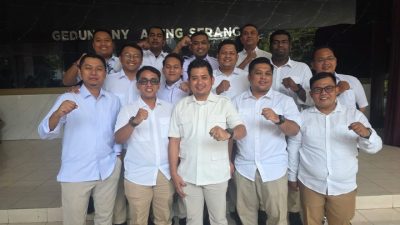
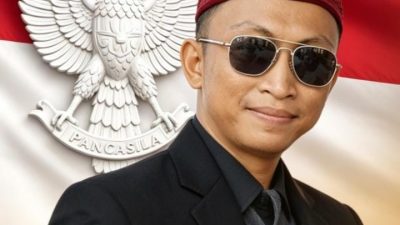
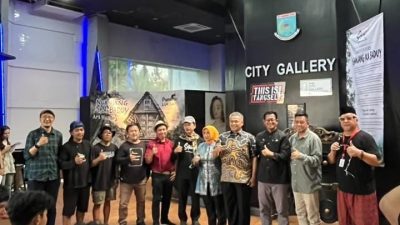
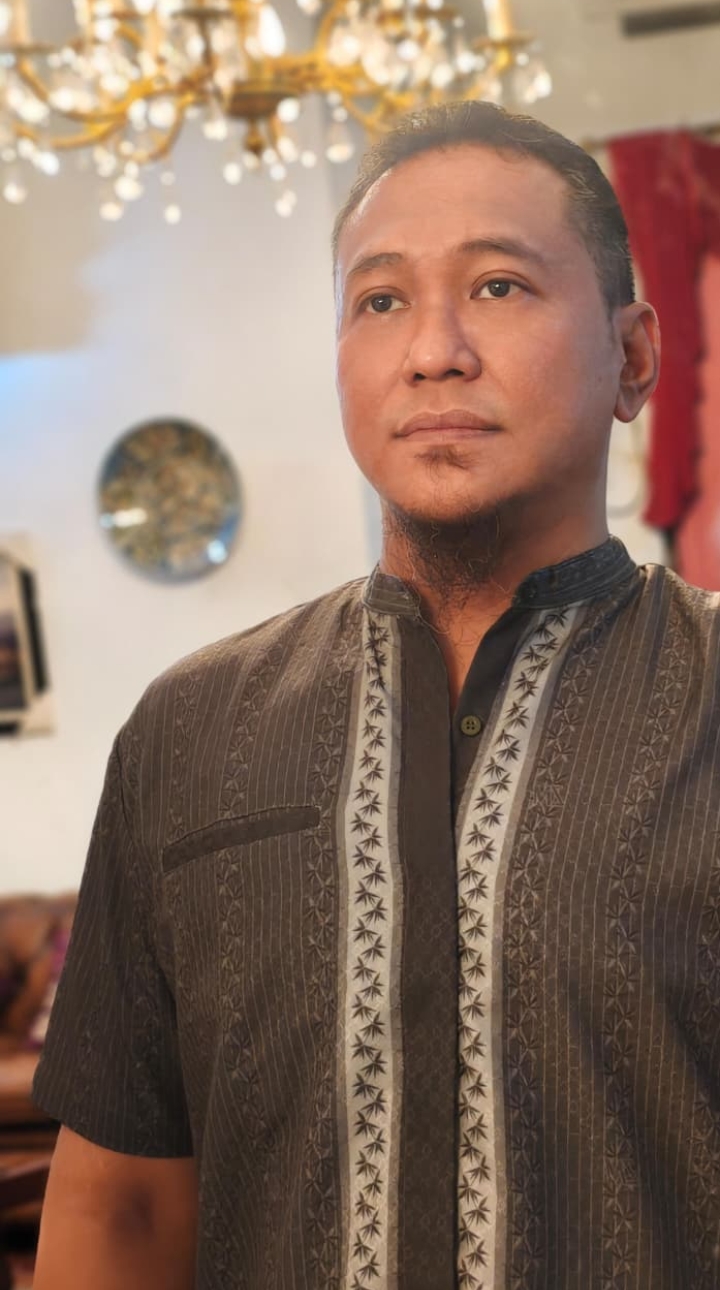
The vision was delivered by His Excellency Azis Arjoso, Head of the Economic Development and Customary Self-Reliance Division at MAI, during the MAI Communication Forum attended by kings, sultans, traditional leaders, queens, and customary figures from across the archipelago.
According to Azis, cooperatives represent a living embodiment of a family-centered economy that places collective interest at its core. As such, they should not be viewed solely as business entities — but as instruments for building popular self-reliance and shared prosperity.
“Indonesia enshrines cooperatives as a main pillar of the national economy rooted in the principle of kinship. This spirit must be kept alive not merely as an economic concept, but as a real force of the people,” Azis stated.
He recalled that Article 33(1) affirms the economy shall be organized as a collective endeavor founded on family values.
This principle has deep historical roots in Indonesia’s economic journey. One early milestone was the work of R. Aria Wiriatmadja in Purwokerto (1886), who established savings-and-loan institutions to protect communities from predatory lending.
“History shows people’s economy grows from genuine community need — rooted in mutual aid, self-reliance, and shared welfare,” he said.
Contributions Must Yield Visible Benefits
Azis urged deeper reflection on the relationship between what the people contribute to the state and what they receive in return.
“Contributions should be framed in the spirit of justice and togetherness — so citizens feel they are not only fulfilling duties, but also seeing tangible returns in daily life,” he explained.
“In the name of God, let us revisit the spirit of the 1945 Constitution and the vision of our founders. We should rethink taxation as people’s contribution — so the public sees what they give truly serves the common good.”
He emphasized this is not merely a change in terminology, but about fostering a healthy, reciprocal bond between state and society.
“The people have a right to see their contributions returned through quality public services, equitable development, community empowerment, job creation, and programs that truly meet their needs,” Azis added.
“Contribution must never feel like a one-way obligation. It is a shared effort to build the nation — and its fruits must be visibly shared by all.”
The Spirit of the ‘Red-and-White Cooperative’
Azis linked this vision to the Red-and-White Cooperative movement as a vehicle for translating togetherness, mutual aid, and economic independence into practice.
“Cooperatives must be where people grow together — not just a place of transaction. The Red-and-White Cooperative should stand as a symbol: people contribute, act together, build enterprises together, and benefits return to the community. This is the family-based economy we must revive,” he said.
He envisions the model taking root from villages and customary communities upward — so national development relies not only on large capital, but also on cooperatives, MSMEs, and community-led initiatives.
Customary Communities as Economic Pillars
The MAI Forum affirmed that national development cannot be separated from the vitality of customary societies and community-based economies. Attending leaders emphasized that local potential should be developed productively, sustainably, and legally — within the framework of the Unitary State of the Republic of Indonesia.
Azis clarified that customary self-reliance does not mean operating outside state structures — but empowering local potential as part of the national economy.
“Customary systems hold immense social capital: mutual aid, solidarity, trust, and collective responsibility. These values remain deeply relevant to national progress,” he noted. MAI seeks to translate these cultural strengths into tangible economic power.
Reciprocity as the Foundation of National Life
Azis called for broader public, academic, and governmental discussion on how contributions translate into shared welfare.
“The people’s contribution to the nation must return to the people. We build together: citizens give faithfully, the state manages with integrity, and development serves all people.”
He urged the nation to uphold the founders’ vision of economic sovereignty and prosperity for all.
“Returning to the spirit of the 1945 Constitution is not moving backward — it is reclaiming the noble values that built this nation. Cooperatives, solidarity, and togetherness are our path forward,” Azis concluded.
MAI reaffirms its role as an ethical, cultural, and moral platform for customary voices to advance constructive solutions — including the strengthening of people’s economy and community self-determination.
People contribute to the nation; development serves the people. Rooted in mutual aid — toward an independent, sovereign, and prosperous Indonesia.
📌Reported from various media sources //photo from Google documents // contribution by Prime News Post international online media // news.paper