
PRIME NEWS POST
The INDONESIAN, (Jakarta)— From the Secretariat of Majelis Taklim Basyaairul Khaeraat Indonesia — Jou Guru invites the faithful to mark the Mawlid not as ceremony alone, but as a moment to purify hearts of base desires, refine conduct, and nurture unity along with national duty.
NORTH JAKARTA — Commemorating the birth of Prophet Muhammad ﷺ ought never end with reciting blessings, delivering sermons, or festive gatherings alone. Above all else, the Mawlid must revive the Prophet’s noble character in daily life — and serve as spiritual fuel to sustain Indonesia’s unity, humanity, and true liberty.
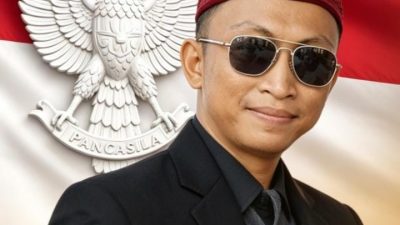
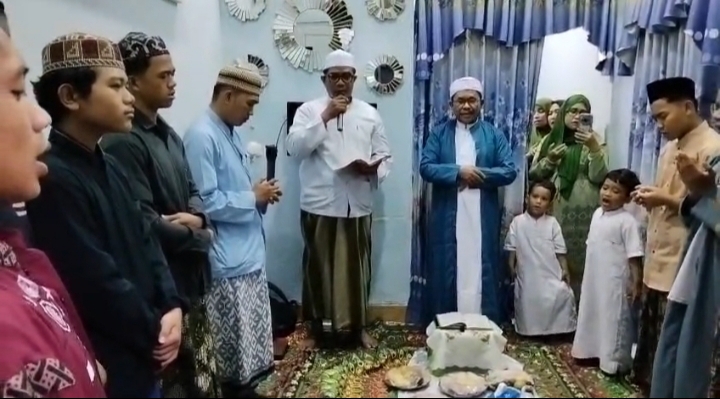
This message was delivered by Ustaz Dano Jamaludin Saifudin, affectionately known as Jou Guru, Servant of Majelis Taklim Basyaairul Khaeraat Indonesia, during a Mawlid reflection held Friday 28 August 2026 at the assembly’s secretariat — Warakas II Lane II C No. 61A, RT 004/RW 06, Warakas, Tanjung Priok, North Jakarta.
Drawing parallels between Mawlid and Independence — two milestones sharing one core lesson — Jou Guru guided worshippers toward a deeper bond: loving the Messenger ﷺ, purifying one’s soul, and upholding duty as Indonesians. The Mawlid reminds believers of his coming as “mercy to all creation”; Independence honours ancestors who fought to free this land from foreign rule. Amid both observances lies one fundamental question every soul must answer:
Have we truly attained inward freedom?
## An Independent Nation Needs People of Free Spirit
True liberty is not only outward — it runs far deeper: freedom of the soul. Indonesia broke free from colonisers long ago, yet human hearts may still remain captives — to greed, hatred, pride, hunger for fame or rank, craving wealth, or even uncontrolled rage.
From the perspective of Irfani Sufism, genuine freedom means doing whatever you wish — no: it means freeing yourself from servitude to selfish appetites that distance you from Almighty Allah ﷻ. He cited Allah’s words in Surah Ash‑Shams verses 9–10:
“Successful indeed is he who purifies it — and undone is he who corrupts it.”
Herein lies liberty’s full meaning: Our land may be free — but so must our souls.
## Mawlid: Not Just Remembrance — But Living Character
The Prophet ﷺ is not only beloved and remembered — he is a living model to emulate. Allah ﷻ declares in Surah Al‑Ahzab verse 21:
“Indeed in the Messenger of Allah you have an excellent example.”
Thus success is measured not by grandeur or crowds — but how fully his character lives within us:
– If he was gentle — soften your hearts;
– If he forgave — let go of grudges;
– If he was trustworthy — honour every confidence;
– If he cared for the weak — see and relieve others’ suffering;
– If he built brotherhood across divides — let differences bring understanding, not disdain.
“Mawlid is not merely recalling his birth — it is birthing his character anew in our lives,” Jou Guru summarised.
## Love for the Prophet Must Bring Mercy
Sent as “mercy to all the worlds” (Surah Al‑Anbiya 107), Allah ﷻ’s Messenger ﷺ sets the standard: true love for him makes you a source of calm — never unrest; of compassion — never spite; of unity — never division. His own teaching says: “Whoever shows no mercy — will receive none.” (Bukhari & Muslim)
Simple words — yet capable of transforming society if truly lived: “If you can love — do not wound; if you can honour — do not belittle; spread good — not ill‑report; strengthen bonds — do not widen rifts.”
## Lessons from Madinah: Diversity Need Not Mean Conflict
The Prophet’s city teaches us: pluralism does not require strife — people flourish together when differences are anchored in fairness, kinship, duty, and respect. Allah ﷻ created nations and tribes “so that you may know one another” — not despise one another (Surah Al‑Hujurat 13). Variety is not cause for enmity or condescension — it is Indonesia’s very foundation and its path forward.
## Pancasila and Prophetic Morality
Jou Guru also linked these values to nation‑building: Pancasila — belief in God, humanity, unity, consultation, and justice — shares profound harmony with Prophetic virtue. Every person is a steward — parents, teachers, business owners, public servants, leaders, and citizens alike — and accountable for their charge: “All of you are guardians — and each of you shall answer for what you tend.” (Bukhari & Muslim)
Independence, then, is not licence — it is a trust: freedom to do good, serve all, and further the common welfare.
## Knowing Allah — Freeing the Heart from Worldly Bondage
True spiritual knowledge (Ma’rifatullah) centres life entirely on Allah ﷻ — realising that status, riches, praise, or popularity shift and fade, while He alone remains constant and enduring. As promised: “Verily only in remembrance of Allah do hearts find rest.” (Surah Ar‑Ra’d 28) This is how souls are liberated — never enslaved by created things.
## Your Greatest Enemy Dwells Within
The fiercest barrier to inner freedom is not outside — it lives inside: the ego and unchecked desires. Greed grows from want; arrogance from pride; enmity from harboured hate; fanaticism blinds eyes to truth and equity. Spiritual life therefore means more than outward rituals — it demands cleansing hearts, subduing egos, and advancing through repentance, patience, gratitude, reliance, and love of the Divine. The closer one draws to Allah ﷻ — the humbler one becomes.
## After the Celebrations — What Changes?
Festivities matter far less than honest questions: Has this Mawlid softened you? Made forgiving easier? More reliable? More caring? Closer in fellowship? Decades into our nation’s independence — are we growing more responsible stewards of it? A living Mawlid transforms lives — a meaningful Independence builds justice, welfare, and dignity for all.
## One Truth — Two Sacred Seasons
These observances converge perfectly: Mawlid gives character; Independence gives duty; Sufism purifies souls; knowing Allah frees us from all else — while citizenship calls us to uphold unity, humanity, consultation, and fairness. Together they aim for one ideal: people spiritually free, morally noble, strongly bonded, and selflessly devoted to God, nation, and neighbour.
Mawlid is no mere memory — it is a call to better today; Independence is no trophy — it is a charge to build tomorrow. Let blessings never remain on lips while conduct ignores the Prophet’s ﷺ light; let national symbols wave high — but never at cost to truth, equity, and duty. May this Mawlid deepen love, polish manners, cleanse hearts, and draw us nearer Allah ﷻ — and may we cherish our freedom through honest labour, solidarity, care, and service to generations yet unborn.
“May our nation stand free — souls pure, character noble, fellowship firm, and steps bright upon the path toward Allah.”
Wallāhu a’lam bish‑shawāb — And Allah knows best.
Majelis Taklim Basyaairul Khaeraat Indonesia
North Jakarta — 28 August 2026
Reported from various media sources //photo from Google documents // contribution by Prime News Post international online media // news.paper