
PRIME NEWS POST
Jakarta – Statements by Prof. Mahfud MD asserting that calls to halt tax payments – should the government fail to curb corruption – constitute a political stance rather than an outright unlawful act, have reignited national debate over the urgency of anti-corruption efforts and accountability in state financial management.
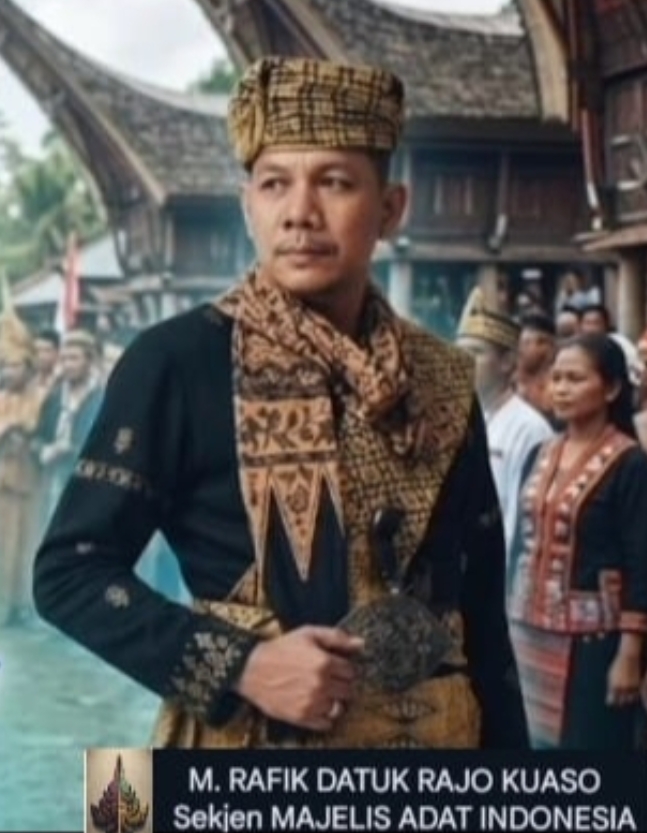
Secretary-General of the Indigenous Council of Indonesia (Majelis Adat Indonesia / MAI), PYM M. Rafik Datuk Rajo Kuaso, stated that MAI understands and endorses the moral core of Prof. Mahfud MD’s message: that corruption poses the single greatest threat to public trust in the state.
“Nusantara indigenous traditions have long taught that leaders must steadfastly uphold trust, integrity, and justice. Taxes collected from the people are a sacred mandate entrusted to the state, to be returned fully for public welfare – not plundered by corrupt officials,” Rafik said.
“For the Indigenous Council of Indonesia, Prof. Mahfud MD’s key message is to build public political awareness, urging the government to take far more decisive action against corruption. This is a moral critique of state governance, one that all public administrators must take as a call for introspection,” he added.
Fighting corruption, Rafik noted, is a moral obligation for every segment of society. From an indigenous perspective, leaders who abuse their authority violate not only state law but also the noble values passed down through Nusantara ancestors.
MAI emphasized that widespread corruption siphoning development funds inflicts profound harm on the public. As such, the government must prove its commitment through firm, transparent, and impartial law enforcement.
“Taxes are the people’s mandate – a mandate that must be guarded. Corruption that eats away at public funds is a betrayal of social justice.”
The council also called on all Indonesians to maintain oversight of governance, exercise their constitutional right to criticism, and push for an administration that is clean, ethical, and aligned with the public interest.
“For us, the core issue is not simply whether people pay taxes or not. What matters far more is ensuring every rupiah from the public truly returns to their prosperity, rather than vanishing through corruption. The government must restore public trust through genuine, consistent anti-corruption action,” Rafik concluded.
MORAL MANIFESTO OF THE INDIGENOUS COUNCIL OF INDONESIA
Taxes are the people’s sacred trust – not the right of the corrupt.
1. Corruption erodes the nation and robs future generations of their rights.
2. Eradicating corruption must be a top national priority.
3. Political criticism aimed at improving governance is an inherent part of democratic life.
4. The Indigenous Council of Indonesia stands with the people in striving for a clean, honest, and just government rooted in the noble values of the Nusantara.
Reported from various media sources //photo from Google documents // contribution by Prime News Post international online media // news.paper
Related News