
PRIME NEWS POST
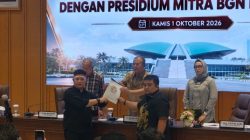
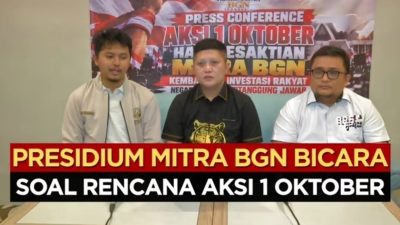
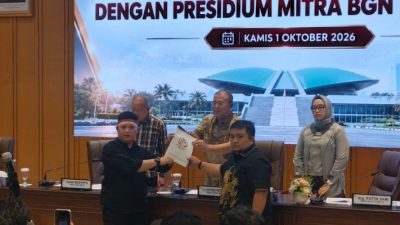
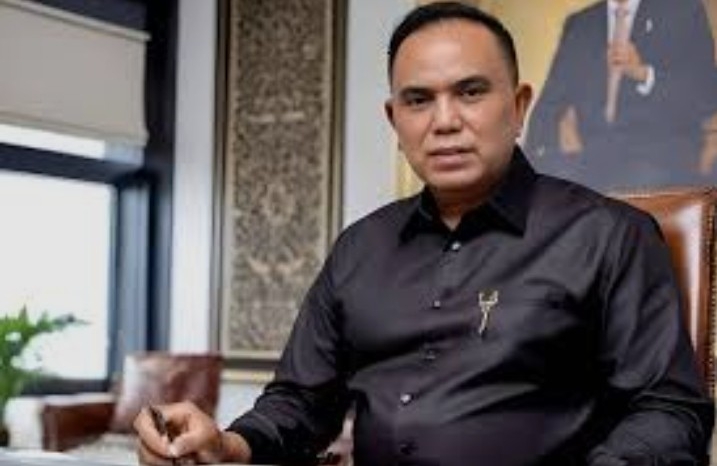
The INDONESIAN, (Jakarta)— There is something noteworthy about the early steps taken by General Listyo Sigit Prabowo upon assuming office as Presidential Chief of Staff. On October 6, 2026, he received 13 representatives from labor groups to discuss workforce protection issues. In my view, this is a commendable step that deserves appreciation.
Why? Because labor issues are no small matter. They concern the lives of millions of people who work every day to support their families, meet household needs, send their children to school, and keep their lives moving forward. When workers convey their aspirations to the government, they carry a hope: that their concerns will be heard, and not remain merely talking points outside the halls of decision-making.
I appreciate Listyo Sigit’s willingness to open such a dialogue early in his tenure. He did not wait until problems grew larger before listening to public concerns. This meeting demonstrated that communication between the government and labor groups has a place on the Presidential Staff Office’s agenda.
Naturally, receiving labor representatives alone does not resolve all employment issues. Yet we must not overlook the significance of this first step. Many problems become far harder to solve when communication between policymakers and the people affected by policies breaks down.
What workers need is not just rules on paper — but real implementation.
During the meeting, discussions centered on the implementation of workforce protection regulations that have already been approved by the DPR and enacted into law. It is this stage of execution that demands serious attention. No matter how well-crafted a regulation may be, its benefits are only truly felt when its provisions are put into practice on the ground.
This is where I see the vital role of the Presidential Staff Office (KSP). The KSP is tasked with overseeing the President’s priority programs and helping identify obstacles in government policy implementation. In labor matters, this role becomes especially critical when public aspirations require follow-up action across different ministries and institutions.
Listyo Sigit undoubtedly faces a heavy workload. Worker protection must go hand-in-hand with efforts to sustain business continuity and expand employment opportunities. The business community needs regulatory certainty, just as workers need certainty over their rights and protections. The government must ensure these two sets of interests are not unnecessarily pitted against one another.
I believe dialogue is one of the best ways to reconcile these interests. The government gains a clearer understanding of the challenges workers face, while the concerns raised serve as valuable input for improving policy implementation. Not every demand can be met immediately — but every concern deserves to be acknowledged and addressed responsibly.
For this reason, I hope this initial meeting does not end once everyone leaves the room. The aspirations shared must be followed up in accordance with each institution’s authority. Where regulatory obstacles exist, solutions must be found. Where inter-ministerial coordination is needed, the KSP must step in to ensure these issues receive proper attention.
For me, the true measure of Listyo Sigit’s action lies not only in meeting with workers — but in sustaining that open channel of communication moving forward. We can applaud a promising beginning without waiting for every single problem to be resolved. But that appreciation must also come with an expectation: that these efforts yield real results.
We need a government that stands close to the people’s concerns — one that understands every policy directly impacts real lives. For a worker, labor protection means job security, safety in the workplace, and the ability to provide for their family.
Listyo Sigit’s decision to meet with labor representatives sets a positive foundation. I commend this step and hope this openness becomes a hallmark of the KSP’s work: listening to concerns, connecting people with the right authorities, and ensuring commitments are kept.
Ultimately, what the public expects is simple. When they speak to their government, they want to know their voices matter — and that there is genuine effort to find solutions.
That is exactly why this first step is worth noting. Not because one meeting can fix everything — but because great governance always begins with the willingness to listen.
Reported from various media sources //photo from Google documents // contribution by Prime News Post international online media // news.paper