
PRIME NEWS POST
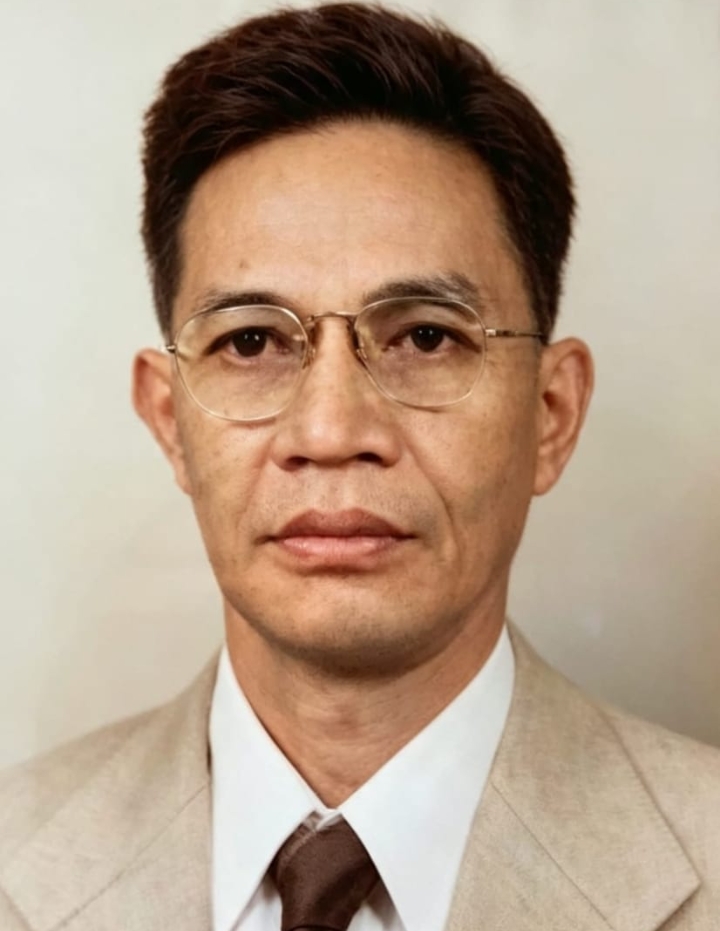
The INDONESIAN,(Bogor) – The name Simon Anton Samidin Ponto (S.A.S. Ponto) may be little known to present-day generations. Yet, this figure—born in Bolangitang, North Bolaang Mongondow, North Sulawesi, on December 14, 1902—was one of the nation’s sons who left an indelible mark on Indonesia’s history of agriculture, science, and natural resource management.
S.A.S. Ponto was born to Sinjo Ponto and Matina Usup Lauma, a family descending from the royal dynasty of Bolangitang. From an early age, he showed remarkable intelligence and potential. According to accounts from the extended Ponto-Pontoh family, around age five, he was taken by his uncle Philip Pontoh from Bolangitang to Bogor to pursue his education and reside at the Don Bosco dormitory.
Modern Education in the Dutch East Indies Era
Records from Landbouw (the Dutch East Indies Department of Agriculture) document S.A.S. Ponto’s educational path:
– Hollandsch-Inlandsche School (HIS) in Kotamobagu, Bolaang Mongondow;
– Meer Uitgebreid Lager Onderwijs (MULO) in Tondano, Minahasa (1918–1922);
– Middelbare Landbouwschool Buitenzorg (1922–1926), an agricultural secondary school in Bogor later recognized as one of the forerunners of the Bogor Agricultural Institute (IPB).
This educational background established S.A.S. Ponto as one of the most respected indigenous agricultural experts of his time.
Knight of the Netherlands Royal Order
One of his most prestigious honors was the title Ridder in de Orde van Oranje-Nassau (Knight of the Order of Orange-Nassau), conferred by Queen Wilhelmina via Dutch Royal Decree No. 99 dated September 13.
According to family lore passed down through generations, the award recognized his success in overcoming an infestation of wild cacti disrupting settlements in Makassar. Using an innovative scientific approach, S.A.S. Ponto employed scale insects as a biological control agent, containing the plant’s spread without environmental harm.
Agricultural Expert, Researcher, and Scientific Author
S.A.S. Ponto’s career flourished within the Dutch East Indies Landbouw service from 1935 to 1946. Beyond his work as an agricultural practitioner, he was an active researcher and author of scientific works.
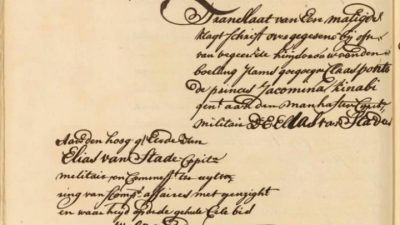
One of his notable publications, De Teken van den Oost-Indischen Archipel (1932), was compiled with B.J. Krijgsman. This work became a key reference on the systematics and biology of ticks in the Dutch East Indies and retains historical value in the development of zoology and entomology. He also wrote numerous studies on insects and agriculture, including Land Use and Maintenance, published in the 1954 Agricultural Almanac.
The text addressed principles of soil conservation, land management, and sustainable agricultural resource utilization during Indonesia’s early post-independence period.
Representing Indonesia on the Global Stage
His dedication and competence earned recognition from the Government of the Republic of Indonesia. By Presidential Decree No. 173 of 1951, S.A.S. Ponto was appointed as Indonesia’s official delegate to the International Meeting on Land Utilisation in Tropical Regions, organized by the Food and Agriculture Organization (FAO) in Nuwara Eliya, Ceylon (Sri Lanka), from September 17–29, 1951.
The international forum discussed tropical land use to support food security and agricultural development in developing nations. He also participated in various scientific activities and international conferences, including:
– Asian Rice Conference in Baguio, Philippines (March 1–13, 1948);
– International Soil Conservation Program in Texas, United States (September 2, 1954 – January 22, 1955);
– Asia Pacific Forestry Commission in Bandung (June 4–21, 1957).
Master of Diverse Archipelagic Languages
A Landbouw record dated March 7, 1938, notes that S.A.S. Ponto was proficient in various regional and common languages—including Malay, Bolangitang, Kaili, Mongondow, Gorontalo, and Sundanese. This ability greatly supported his work in assisting and developing the agricultural sector across the archipelago.
Friendship with the Habibie Family
During his career in Sulawesi, S.A.S. Ponto reportedly reunited with his Middelbare Landbouwschool Buitenzorg alumnus, Alwi Abdul Jalil Habibie—father of the Republic of Indonesia’s 3rd President, Bacharuddin Jusuf Habibie.
Both served within the Dutch East Indies Landbouw circle and were part of a generation of indigenous intellectuals contributing to Indonesia’s agricultural development.
Passing and Legacy of Service
After decades of service to agriculture, research, and national development, S.A.S. Ponto died on Thursday, November 17, 1971, at the Bendungan Hilir Naval Hospital in Jakarta, now known as Mintohardjo Naval Hospital.
He was survived by six children—three sons and three daughters—with his wife Raden Julaeha. His remains are interred at Kebon Kopi Public Cemetery in Bogor.
An Inspiration for the Nation’s Generations
S.A.S. Ponto’s life journey demonstrates that a regional son from the archipelago’s remotest corners can excel on the international stage through education, science, and public service. His career as an agricultural expert, researcher, author, and Indonesian delegate to global forums makes him a pivotal figure to be remembered in the history of national agricultural development.
Amidst today’s challenges of food security and climate change, S.A.S. Ponto’s spirit of innovation, dedication, and devotion to science stands as a valuable example for present and future generations of Indonesians.
Reported from various media sources //photo from Google documents // contribution by Prime News Post international online media // o.m