
PRIME NEWS POST
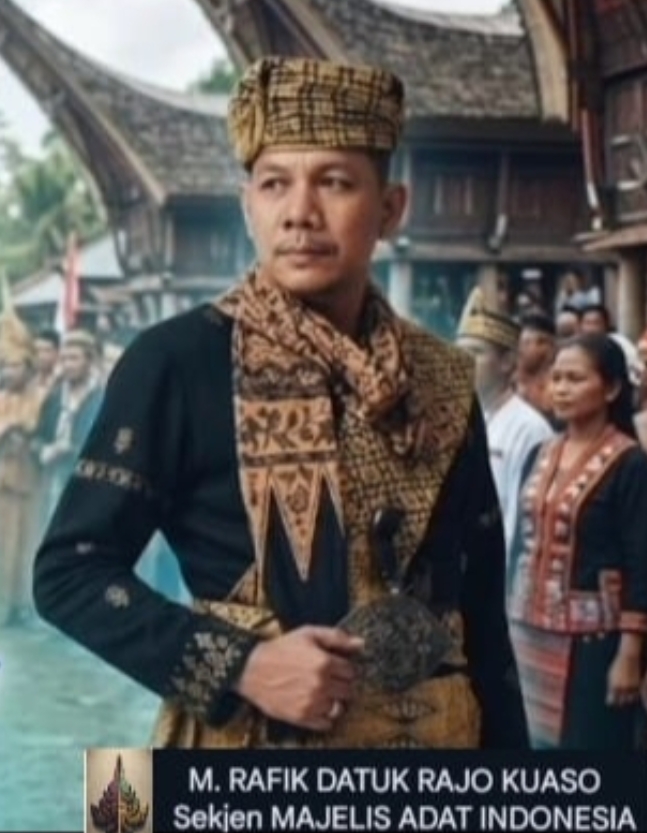
The INDONESIAN , (Jakarta)– Secretary-General of the Indigenous Council of Indonesia (Majelis Adat Indonesia / MAI), Dato’ M. Rafik Datuk Rajo Kuaso, has voiced full support for the position of Indonesian Ulema Council (MUI) Chairman KH Anwar Iskandar, who affirmed that corrupt actors deserve the harshest possible penalties under prevailing law.
According to Dato’ M. Rafik, MAI views corruption not merely as an offence that harms state finances, but as a betrayal of public trust, a destruction of the nation’s noble values, and an assault on the foundations of indigenous life, culture, and social justice.
“The Indigenous Council of Indonesia endorses MUI’s firm stance, because corruption robs communities of their right to decent education, healthcare, infrastructure development, welfare, and a better future. From the perspective of Nusantara indigenous traditions, any leader who abuses their mandate dishonours themselves, their institution, and the entire nation,” he stated.
He explained that nearly all indigenous legal systems across the archipelago uphold honesty, trust, justice, and accountability to the community. Corruption therefore represents a profound moral violation that undermines governance and erodes public confidence in the state.
MAI noted that the harm of corruption extends far beyond material losses. Embezzled funds deny people access to public services, widen social inequality, slow regional development, and perpetuate poverty across generations.
“Corruption is a crime whose impact is felt by millions. When development budgets are stolen, the hopes of the people are stolen along with them. That is why eradicating corruption must be seen as both an effort to uphold the nation’s honour and to protect the fundamental rights of its citizens,” he said.
MAI also commended MUI’s longstanding consistency in describing corruption as an extraordinary crime requiring equally extraordinary law enforcement. Any discussion of imposing the severest sanctions on corrupt officials must proceed strictly within constitutional and legal frameworks, through fair and independent judicial processes, the council added.
As an institution rooted in indigenous values and national morality, MAI called on all segments of society to build an anti-corruption culture from an early age, strengthen the integrity of public officials, and place honesty at the heart of national life.
“A great nation is built not only on its natural wealth, but also on the integrity of its leaders. The fight against corruption must therefore become a national moral movement involving the state, religious leaders, indigenous elders, academics, the media, and all Indonesian people,” Dato’ M. Rafik concluded.(Red)