
PRIME NEWS POST
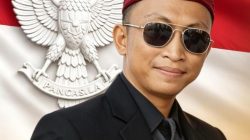
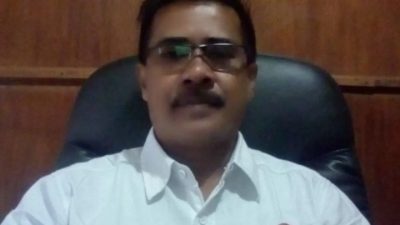
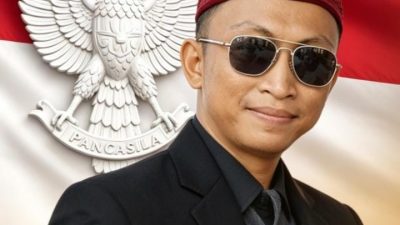
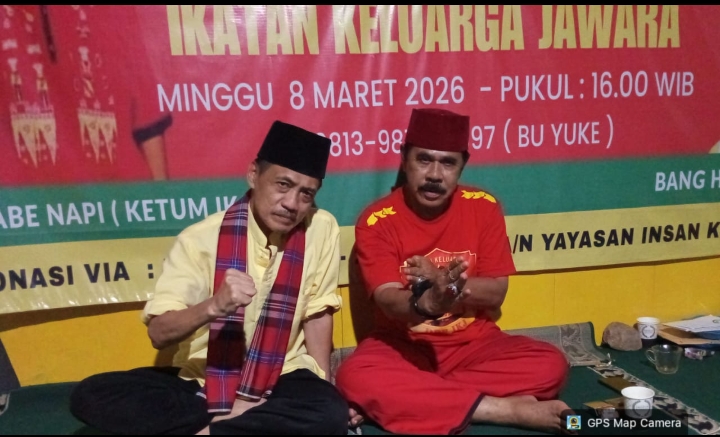
The INDONESIAN (JAKARTA) | Recognizing the importance of building togetherness in collective efforts, the Chairman of the People’s Struggle Foundation – Jalih Pitoeng Centre, Jalih Pitoeng, paid a visit to the residence of Bang Napi, a prominent community figure.
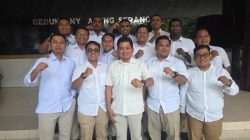
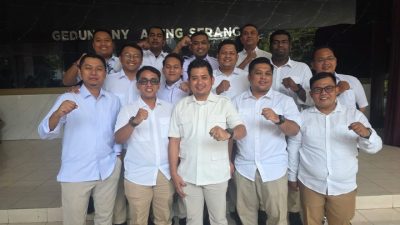
Jalih Pitoeng’s visit to the headquarters of IKJ – Ikatan Keluarga Jawara (Alliance of Warrior Families) was part of his efforts to strengthen bonds and connections among fellow advocates working for the Betawi community.
According to Jalih Pitoeng, building strong synergy and solidarity is an essential element of any movement that works for the people’s welfare.
Sitting together and holding consultations to align shared visions, missions and perspectives is absolutely necessary to achieve the noble goal of developing the Betawi land into a place that is more advanced, dignified and where prosperity is distributed fairly across all groups.
“We cannot achieve our goals alone,” Jalih Pitoeng stated on Monday, May 11, 2026.
“The movement we have designed is conceptually ambitious and demands long-term commitment,” he added.
“So far, we have only completed the initial stage – which in the development sector is referred to as ‘land clearing’ – to prepare the ground for further progress,” he explained.
Jalih Pitoeng, who is also the founder and chairman of FORMASI – the Anti-Corruption Community Alliance Forum, noted that the arrest of the Head of the DKI Jakarta Cultural Office in connection with a large-scale corruption case was only the first step.
“The exposure of this massive corruption scandal and the arrest of the former head of the DKI Jakarta Cultural Office back in 2025 was merely the opening gate to begin fixing the issues facing the Betawi region,” Jalih Pitoeng reminded.
“There is still a great deal of responsibility, obligations and moral duties that we must carry out on behalf of the general public, especially the Betawi people,” he said.
“That is why we need cooperation and joint efforts to advocate for positive change, organize the community and build a better future for the Betawi land,” he added.
“Therefore, unity and solidarity among all Betawi people in this struggle for progress are the fundamental foundations we must lay to achieve our noble objectives,” Jalih Pitoeng emphasized.
The goals and aspirations that Jalih Pitoeng has long championed for the benefit of artists and cultural practitioners are not merely empty hopes.
His vision received strong support from Bang Napi, Chairman of IKJ, who fully embraced the direction and concept of Jalih Pitoeng’s movement.
“We fully support what Jalih Pitoeng has outlined,” Bang Napi said.
“We truly need people who have the courage to lead such efforts,” he added.
“Especially since this work is aimed at bringing benefits and progress to our fellow silat martial arts masters, artists and cultural workers from the Betawi community,” Bang Napi stressed further.
During this informal gathering, Bang Napi also shared information about the role and activities of IKJ.
“IKJ serves as a platform where warriors, silat instructors, cultural observers and practitioners from the Betawi community can come together, connect and share ideas,” he explained.
When asked whether IKJ is affiliated with any political party, Bang Napi clarified that the organization maintains complete independence.
“We are not affiliated with any political party,” he answered.
“We welcome everyone who shares our values to join us,” he added.
“It is not only for traditional warriors either. Anyone who cares about the development and preservation of Betawi culture is welcome to join our collective efforts,” he invited.
At the end of the short meeting held that afternoon, Jalih Pitoeng – who is widely known as an active social activist – also briefly presented his master plan outlining the direction of the movement to advance the welfare and prosperity of the Betawi community.
“Essentially, we invite everyone to join hands in working for the progress and well-being of the Betawi people, particularly artists and cultural practitioners. This also includes our proposal to review and improve regional budget allocations to better support these efforts,” he concluded.(*)