

PRIME NEWS POST
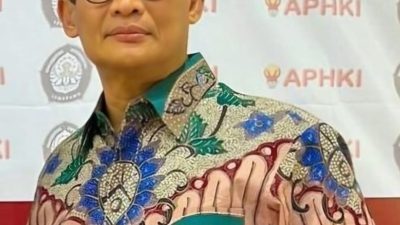
THE INDONESIAN , (Jakarta)— Fiqih, a member of the FORJIS 1 “Adili Jokowi” Communication Forum a group comprising prominent national figures shared critical and reflective views regarding the implementation of the Free Nutritious Meal (MBG) Program on Saturday, May 10, 2026.
During the forum discussion, a notable question was raised by one national leader concerning the program’s objectives and how its success should be measured.
“Should the success of the Free Nutritious Meal Program be measured merely by whether children are full while at school, or must it also be assessed by how far the state can guarantee their future after they complete their education?” the question put forward in the forum read.
In response, Fiqih emphasized that state policies should not stop at fulfilling immediate needs, but must also ensure sustainable livelihoods for the nation’s younger generation.
“Securing the future of the nation’s children is far more important,” Fiqih stated during the discussion.
In his view, the program’s success cannot be measured solely by food distribution or the absence of technical issues on the ground; it must also be evaluated based on its long-term impact on children from underprivileged families.
“Even if the program runs smoothly with no issues such as food poisoning, the key question remains: what real benefit does it bring to poor families and their children once they graduate?” he said.
He drew attention to the importance of monitoring and evaluating Grade 12 students who have benefited from the program since 2025.
According to him, it is essential to see whether the initiative truly opens pathways for them to pursue higher education or secure decent employment.
“After graduation, can they automatically go to university? Are jobs available? Can all of them enter civil service academies? If not, they will still face the same economic struggles and remain a burden to their families,” he added.
Fiqih argued that the needs of low-income communities extend far beyond having enough food during their school years. He noted that people also need certainty about their future, access to employment and education, and sustainable social protection.
Therefore, he proposed that the program’s budget be refocused strictly on those who are truly underprivileged, with more targeted distribution — including through direct assistance or cash transfer mechanisms.
Furthermore, he urged the government to allocate part of the state budget to strategic programs that address the public’s fundamental needs more directly, including:
1. Free higher education for children from low-income families;
2. Development of labor-intensive industries;
3. Free skills training centers;
4. Health subsidies for low-income communities;
5. Living allowances for non-retired elderly citizens aged 60 and above, similar to the policy implemented in Timor-Leste.
Fiqih stressed that these views reflect social concern and serve as constructive input, intended to ensure government policies deliver meaningful long-term benefits to public welfare.
“The people do not only need food for today they also need hope, education, jobs, and guarantees for their future,” he concluded.
Reported from various media sources //photo from Google documents // contribution by Prime News Post international online media // news.paper
Related News