
PRIME NEWS POST
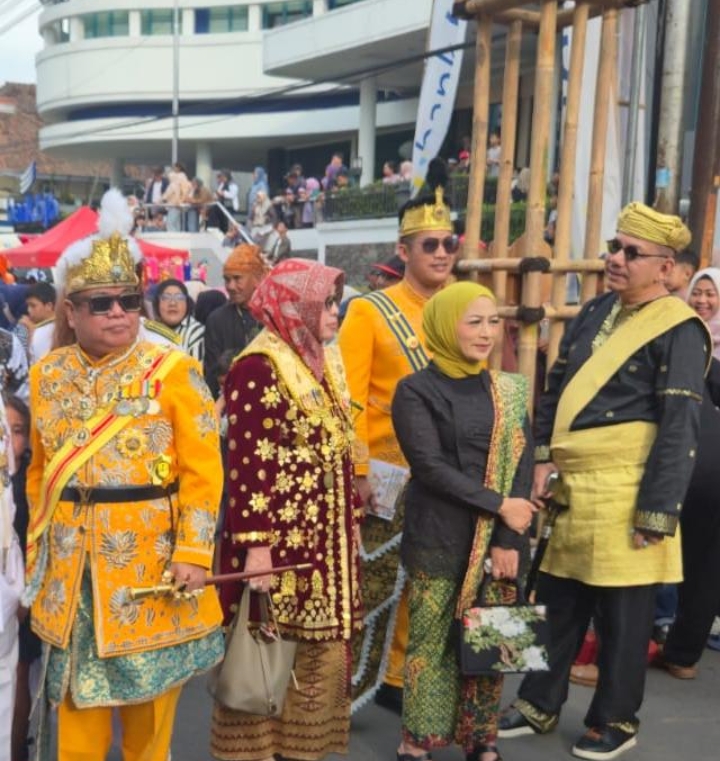
The INDONESIAN — A moral and spiritual proclamation rich in values of propriety, history, and ancestral mandate has been delivered by Ustadz Dano JS (Jouguru) in a national reflection titled “Call to Uphold the Mandate of Heaven and the Word of the Earth.” The message is addressed to all Sultans, Kings, Datus, Princes, and customary leaders, regarded as the inheritors of the civilizational legacy of the Nusantara archipelago.
In his address, Ustadz Dano JS emphasized that the glory of customary traditions and civilisation is inseparable from proper conduct, noble character, and loyalty to ancestral decrees and the laws of nature. He reminded that a customary pledge is not merely a formal statement, but a sacred oath born of inner submission and spiritual responsibility toward the nation, the natural world, and future generations.
He noted the historic moment on 16 February 2011 at Pelabuhan Ratu, during the Great Royal Ceremony of the Nusantara, as a key milestone in reaffirming customary and national values. During that event, Sri Paduka Maha Raja Kutai Mulawarman signed the Trasty, Dinasty, Panca Prabu, and Saptanegara edicts — symbols of national commitment and the mandate of civilisation.
“Pledges do not arise from inflated ego, but from humble reverence. A civilisation not built upon propriety will be judged by the very laws of nature,” Ustadz Dano JS wrote in his proclamation.
He further asserted that modernity and technological advancement can never replace the sacredness of rituals, customary ceremonies, or values that honour ancestors. Thrones and crowns, he said, hold meaning only when accompanied by righteous conduct, accountability, and moral leadership.
The narrative describes the Indonesian Customary Council (MAI) not as a creation of personal will or group interest, but as a mandate derived from the authority of the archipelago’s kings and the sovereignty of its ancestors. All customary stakeholders are thus reminded to safeguard the MAI as a cultural institution founded upon noble character — not merely an organisational symbol or formality.
The message also addresses modern challenges, including moral crisis, global warming, and the disconnection of young generations from their cultural roots. Customary leaders are urged to bear not only noble titles, but also the role of guardians of values, stewards of the earth, and protectors of civilisational dignity.
“Propriety is the root of civilisation. Without it, culture remains nothing but writing without meaning,” he stressed.
Regarding the history and customary sovereignty of the Land of Papua, Ustadz Dano JS — stated to be the 11th-generation descendant of Sri Sultan Saifudin Kaicil Golofino (Jou Kota) of the Sultanate of Tidore — also recalled the historical ties between Tidore and Papua.
He explained that the crowns of the Ondoafi in Papua are not merely customary symbols, but emblems of sovereignty and historical heritage from the Sultanate of Tidore. The titles Ondoafi and Ondofolo originate from the Tidorese language, meaning “Lord of the Land,” while the term Maroke translates to “Boundary of Territory.”
Historical records note that in 1667, Sri Sultan Saifudin Kaicil Golofino established a demarcation line between West Irian and East Irian in an event known as the “Line of Fire.” This act was witnessed by the great Ondoafi leaders of Sentani and Tobati in Jayapura, serving as customary and civilisational witnesses.
The narrative affirms that the history, customs, and sovereignty of the Nusantara were built not only through political power, but also through spiritual mandate, reverence for nature, and loyalty to ancestral heritage.
In closing, Ustadz Dano JS called upon all customary leaders across the archipelago to reaffirm their commitment to noble conduct and propriety in building the nation’s civilisation.
“A civilisation not blessed by heaven, earth, ancestors, and the Creator will become an inscription that decays before it can be read by time,” he concluded.
Kota Pala Fak-Fak, West Papua — Saturday, 09 May 2026
K