
PRIME NEWS POST
By. Andin Banjar
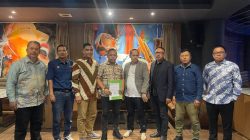
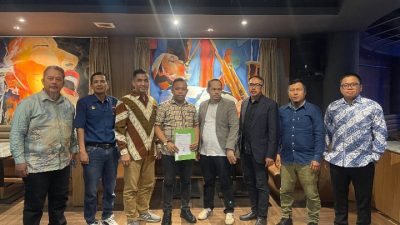
The INDONESIAN , JAKARTA – The Communication Forum of the Indonesian Traditional Councils (MAI), attended by Kings, Sultans, Datuks, Queens, and traditional leaders from across the archipelago, served as a venue for national reflection rich in historical and cultural significance.
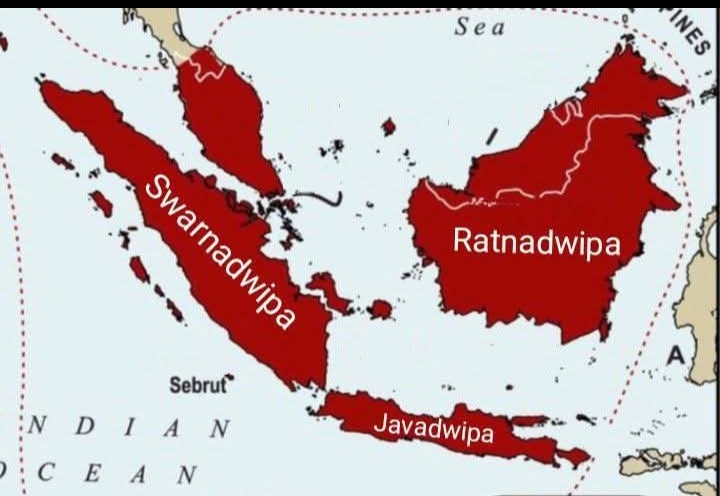
During the forum, His Highness Iftiqar S.A. Ponto delivered a crucial presentation tracing the historical nomenclature of the archipelago as documented in ancient literature: Swarnadwipa, Ratnadwipa, and Javadwipa.
This exposition affirmed that the identity of the Nusantara has long been recognized globally as a region abundant in natural resources, high civilization, and prosperity.
Swarnadwipa: The World-Renowned Island of Gold
The island of Sumatra has been known since ancient times as Swarnadwipa or the “Island of Gold”. This name is not merely mythological, but is recorded in various historical sources from India, China, and Europe.
Accounts of explorers, traders, and scholars reinforce Sumatra’s position as a center for gold and other high-value commodities.
Furthermore, the Nalanda Inscription (860 AD) mentions King Balaputra Dewa as the ruler of Swarnadwipa, further solidifying the region’s existence and influence within the global civilizational network of that era.
Ratnadwipa: The Island of Gems Full of Potential
The island of Kalimantan is known as Ratnadwipa or the “Island of Diamonds/Gems”. This designation originates from the arrival of figures from India, namely Mitrongga and Atwangga of the Shunga Dynasty, who settled in the area of Bakulapura (Tanjungpuri), now part of South Kalimantan.
This region is also believed to be one of the starting points for the development of early kingdoms in the archipelago, such as Kutai, Champa, and Srivijaya.
To this day, South Kalimantan, particularly Martapura, remains renowned as a center for diamond and gemstone production of high economic value.
Javadwipa: The Rice Bowl Since Ancient Civilization
The island of Java has long been known as Javadwipa or the “Island of Rice”. This is clearly documented in the Canggal Inscription, a relic of the Ancient Mataram Kingdom, which refers to “Yawadwipa” as a fertile, beautiful, and prosperous island.
From that era until today, Java remains the backbone of national rice production, strengthening its role as the center of Indonesia’s food security.
In closing, His Highness Iftiqar S.A. Ponto emphasized that this historical narrative is not merely romanticism of the past, but a reminder that the Nusantara possesses a strong foundation of civilization recognized by the world for centuries.
“Awareness of this historical identity is essential to strengthen unity, sovereignty, and the future direction of the nation,” he asserted before the Nusantara traditional forum.
It is hoped that the MAI Forum will continue to serve as a strategic platform for preserving traditional values, strengthening national identity, and maintaining harmony within Indonesia’s diversity.
(MAI)
#Reported from various media sources //photo from Google documents // contribution by Prime News Post international online media // Media Center of Majelis Adat Indonesia (MAI)