
PRIME NEWS POST
The INDONESIAN, Jakarta — The Indonesian Indigenous Council (Majelis Adat Indonesia / MAI) has firmly urged the House of Representatives of the Republic of Indonesia (DPR RI) to immediately pass the Asset Seizure Bill, including the imposition of the harshest penalties, up to capital punishment for certain corruption crimes, as a strategic measure to safeguard the nation’s future.
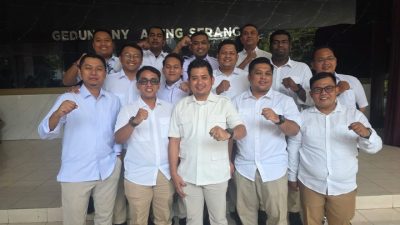
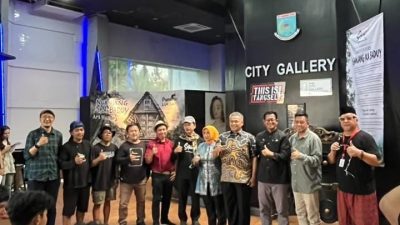
The call was delivered during the Forum of the Indonesian Indigenous Council (MAI), attended by Kings, Sultans, Datuks, Queens, and traditional leaders from across the archipelago. The forum served as a national moral platform to voice collective concern over Indonesia’s worsening condition due to systemic, structured, and widespread corruption.
The Secretary General of MAI, Dato’ M. Rafik Datuk Rajo Kuaso, Head of the Minangkabau Clan and an observer of political, social, and cultural affairs, stated that discussions surrounding the Asset Seizure Law have dragged on for far too long without concrete decisions, while the public continues to suffer the consequences of corruption.
“The Asset Seizure Law has been discussed and planned for years, yet it has never been finalized. Meanwhile, the nation’s condition continues to deteriorate due to corruption that robs the people of their rights and undermines the foundations of the state,” said Dato’ Rajo Kuaso.
During his address at the MAI Forum, Dato’ Rajo Kuaso also emphasized the importance of moral leadership across all sectors, including religious figures, urging them to remain focused on their primary role in guiding the faithful and upholding ethical values.
“We hope that religious leaders and scholars will remain true to their calling, focusing on religious guidance and the welfare of the people, and not becoming entangled in practices that erode moral integrity,” he stressed.
According to MAI, support for the Asset Seizure Law and the imposition of severe punishments for corruptors is part of a collective effort to achieve substantive justice, rather than merely symbolic punishment. Asset confiscation is viewed as a crucial instrument to sever the economic lifelines of corruption, which persist as long as illicit gains remain in the hands of perpetrators.
This view was reinforced by Abuya Tubagus Mulyadi Mawahib Alqodim Albantany, a nationally respected Islamic scholar and a member of the Supreme Spiritual Council of MAI. He described corruption as an extraordinary crime that, from both religious and customary moral perspectives, constitutes a betrayal of public trust.
“Corruption is not merely a legal offense, but a social sin that destroys the moral fabric of society. Therefore, the state must act firmly, including considering the maximum possible penalties, to protect the nation,” he said.
Meanwhile, Raja Bangun Nasution, a member of MAI’s Board of Trustees and a traditional leader from Mandailing, emphasized that within Nusantara customary values, leaders who betray public trust must face the most severe sanctions, including the full return of unlawfully acquired assets.
“In customary law, wealth obtained through actions that harm and impoverish the people must be returned. The state must not be defeated by corruptors,” he asserted.
MAI also highlighted the experience of countries such as Singapore and China, which have implemented strict asset confiscation policies and severe punishments for corruption. These measures have proven effective in reducing corruption, strengthening public trust, and fostering clean and authoritative governance.
The Indonesian Indigenous Council believes that passing the Asset Seizure Law and enforcing severe penalties would bring several strategic benefits, including:
1. Tangible recovery of state losses through confiscation of illicit assets.
2. A strong deterrent effect against current and potential corruptors.
3. Increased public trust in the state and the rule of law.
4. Protection of future generations from the systemic damage caused by corruption.
Through this forum, MAI called on the DPR RI and all policymakers to stop delaying the enactment of this strategic legislation.
“The firmness shown today will determine Indonesia’s future. May this effort receive the blessing of Almighty God for the realization of a just, dignified, and sovereign Indonesia,” MAI concluded.(Red)
Source: Compiled from various sources
Media Center: Majelis Adat Indonesia (MAI)
Editor: Prime News Post – Executive Editorial Team