
PRIME NEWS POST
The INDONESIAN (Jakarta) — Roy Suryo and Tifauzia Tyassuma, widely known as Dr. Tifa, were taken into custody by investigators from the Greater Jakarta Metropolitan Regional Police (Polda Metro Jaya) on the morning of Friday, 19 June 2026.
According to information obtained by POLRI WATCH NEWS (PWN), the enforcement measure forms part of the process to transfer the suspects and related evidence to the High Prosecutor’s Office of DKI Jakarta.
Both Roy Suryo and Dr. Tifa are listed as suspects in the case centred on allegations that former President Joko Widodo holds a fake academic degree.
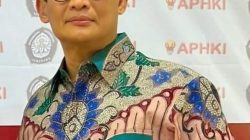
Commenting on the arrests, prominent legal observer from North Sumatra Dr. Ikhwaluddin Simatupang, S.H., M.Hum., noted that assessing whether the action is legally justified must be grounded in Law No. 20 of 2025 concerning the Code of Criminal Procedure (KUHAP).
Articles 93 through 98 — within Part Three of the Code — expressly set out the authority of Polda Metro Jaya investigators to carry out arrests, provided that both substantive and formal requirements are fully satisfied, explained Ikhwaluddin, a lawyer with extensive experience in pre‑trial proceedings.
Drawing on Annotated Code of Criminal Procedure by Eddy O. S. Hiariej and colleagues, Ikhwaluddin recalled that substantive conditions for arrest are defined under Article 94: they require at least two valid forms of evidence as listed in Article 235 Paragraph (1). This provision recognises eight admissible types: witness statements; expert testimony; documentary evidence; statements from the accused or suspect; physical exhibits; electronic evidence; judicial observations; and any other material lawfully obtained and suitable for proving facts during court hearings.
Based on the combined application of Articles 94 and 235, Ikhwaluddin Simatupang assessed that investigators appear to have met the substantive threshold — citing witness accounts, expert opinions, statements from the suspects themselves, and collected material evidence among the supporting grounds.
“Further, Article 95 lays down the formal procedure: an arrest warrant must be presented, stating clearly the suspect’s identity, reasons for detention, details of the alleged offence, and the place where questioning will be conducted. A copy of the warrant must be delivered within one day at most to the suspect’s family, a designated representative, or the local neighbourhood chief,” Ikhwaluddin outlined.
As clarified by Hiariej and co‑authors, this article embodies the formal requirements of an arrest; moreover, the arresting officers are obliged to promptly hand over the suspect and all evidence to the responsible investigation unit.
“Taken together, substantive and formal conditions form the legal basis governing arrests as regulated in Articles 93–98 — and these are precisely the standards against which the lawfulness of the action against Roy Suryo and Dr. Tifa must be measured,” Ikhwaluddin Simatupang emphasised.
In his view, Polda Metro Jaya investigators presumably acted upon solid legal footing. Should the suspects or their legal representatives raise objections, however, Articles 158 through 164 of the KUHAP provide a clear legal channel: a formal pre‑trial petition specifically designed to test and rule on the validity of coercive measures such as arrest — Dr. Ikhwaluddin Simatupang concluded.
Reported from various media sources //photo from Google documents // contribution by Prime News Post international online media // news.paper
Related News