
PRIME NEWS POST
The INDONESIAN (JAKARTA) – Secretary-General of the Indonesian Indigenous Peoples’ Council (Majelis Adat Indonesia/MAI), Dato’ M. Rafik Datuk Rajo Kuaso, has firmly expressed full support for Pauno Rumbia (Raja Moronene VIII), Aswar Latif, who was named a suspect by the Southeast Sulawesi Regional Police (Polda Sultra) on allegations of damaging forest areas in the Moronene indigenous territory.
Dato’ Raja Kuaso, also a national political, social, and cultural observer, stated that this case cannot be simplified as an ordinary criminal matter because it touches on the core rights of indigenous communities – rights guaranteed by the 1945 Constitution regarding land and territories managed across generations.
“If an Indigenous King who manages ancestral land in good faith can easily be named a suspect without a dialogical approach based on local wisdom, this sets a dangerous precedent for all indigenous communities across the Indonesian archipelago,” he emphasized.
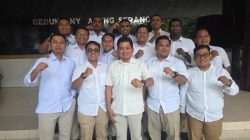
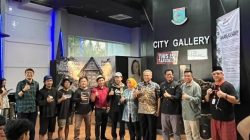
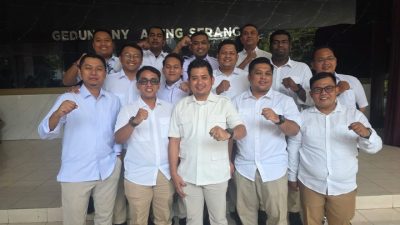
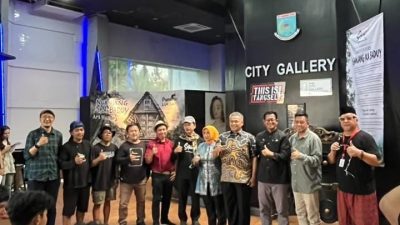
During the MAI National Communication Forum, attended by hundreds of indigenous leaders from across Indonesia – including Yangmulia Arie Mulia Subagdja (Chair of the Sundanese Indigenous Peoples’ Council) – the case was cited as a reflection of systemic issues in law enforcement.
“We are not accustomed to addressing root causes, only surface-level cases. If the underlying problems are not resolved, similar cases will continue to emerge and undermine the foundation of national justice,” said Kang Arie Mulia.
Aligning with the vision of Indigenous Leader Yangmulia HRM. Soekarna – who serves on MAI’s Expert Council and Advisory Board – MAI reaffirmed its commitment to strengthening the role of indigenous peoples, culture, and local wisdom as an integral part of the Unitary State of the Republic of Indonesia (NKRI) system.
Before the establishment of NKRI, kingdoms and sultanates across the archipelago were key pillars in maintaining social harmony and solidifying unity.
MAI proposed the appointment of indigenous representatives in various high-level state institutions – both in the legislature through a Special Faction and in the executive branch, such as strategic cabinet positions to address customary/communal land rights issues. Additionally, MAI supports the revitalization of the Supreme Advisory Council (Dewan Pertimbangan Agung/DPA) as mandated by the 1945 Constitution prior to amendments, serving as a platform for kings and sultans to provide direct wisdom and policy guidance to the President.
“Kings and sultans are not merely historical symbols, but concrete representations of wisdom and moral leadership passed down through generations. They can be strategic partners for the state in national development and strengthening the nation’s identity,” stated the official press release, which also proposed the placement of Indigenous Tourism and Cultural Ambassadors in Indonesian diplomatic missions abroad, as well as representation for people’s professions within the state system.
Contribution for Prime News Online
Image caption: Photo from Google
Reported from various online media sources