
PRIME NEWS POST
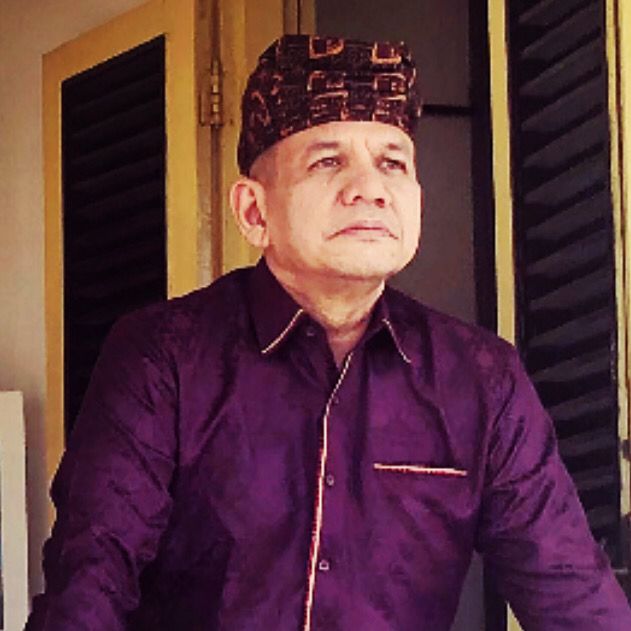
THE INDONESIAN, Jakarta— The Indonesian Council of Indigenous Elders (Majelis Adat Indonesia/MAI) reaffirmed its full commitment to supporting the vision and mission of President Prabowo Subianto in eradicating illegal mining and empowering people-driven mining cooperatives. MAI Secretary-General, Paduka Yangmulia Datuk Rajo Kuaso M. Rafik—who is also a national political analyst and observer of Nusantara culture—asserted that MAI stands at the forefront in protecting the rights of indigenous communities, in line with the government’s efforts to promote justice and prosperity in the mining sector.
Datuk Rajo Kuaso emphasized that illegal mining practices have long harmed indigenous communities and caused significant environmental damage. “MAI fully supports decisive government actions against illegal mining actors. We are also ready to collaborate with law enforcement authorities to ensure that mining activities are conducted legally and responsibly,” he stated.
MAI believes that empowering community-based mining cooperatives is key to improving the welfare of indigenous peoples while reducing illegal mining practices. By granting indigenous communities greater access to manage natural resources through cooperatives, new job opportunities can be created and local income can be significantly increased.
“We believe that mining cooperatives are a sustainable solution to manage natural resources fairly and responsibly. MAI is prepared to provide guidance and assistance to ensure these cooperatives operate effectively and efficiently,” said Datuk Rajo Kuaso.
MAI’s Strategic Focus in Supporting President Prabowo’s Vision
MAI outlined several strategic national measures to be implemented, including:
1. Formation of customary assistance teams across provinces for advocacy on land disputes and people’s mining claims, especially in regions vulnerable to illegal mining practices.
2. Inventory and re-establishment of customary territorial maps based on local wisdom and national law to strengthen indigenous land and resource rights.
3. Customary mediation mechanisms as non-litigation solutions for communal conflicts rooted in indigenous justice principles.
4. Collaboration with the state and law enforcement agencies to oversee agrarian criminal acts harming indigenous communities, and to support enforcement actions against illegal mining perpetrators.
5. Strengthening education on customary law, economic sovereignty, and cooperative-based mining models through training and capacity building for indigenous communities to manage mining cooperatives professionally.
MAI will also intensify outreach efforts to indigenous communities on the importance of sustainable and responsible natural resource governance. “We want indigenous peoples to understand that natural resources are ancestral heritage and must be preserved for future generations,” said Datuk Rajo Kuaso.
Foundation of MAI’s Movement
MAI operates based on the mandate of the Sidang Agung Adat Nusantara (Grand Assembly of Indigenous Nations), anchored in the principles that land is an ancestral mandate and guided by adat basandi syarak, syarak basandi kitabullah—alongside other Nusantara philosophical values. This commitment aims to safeguard the dignity of indigenous communities and preserve the integrity of the Unitary State of the Republic of Indonesia (NKRI).
“We believe that through unity and collaboration, we can realize President Prabowo’s vision for a just, prosperous, and dignified Indonesia,” affirmed Datuk Rajo Kuaso.
MAI also calls upon indigenous leaders, Nusantara kingdoms, scholars, state institutions, and the Indonesian public to unite in supporting national efforts to eradicate illegal mining and empower community-based mining cooperatives.
“Let us build an Indonesia that is sovereign over its natural resources and brings the greatest benefit to all its people,” he concluded.
Editor: Endi S.